
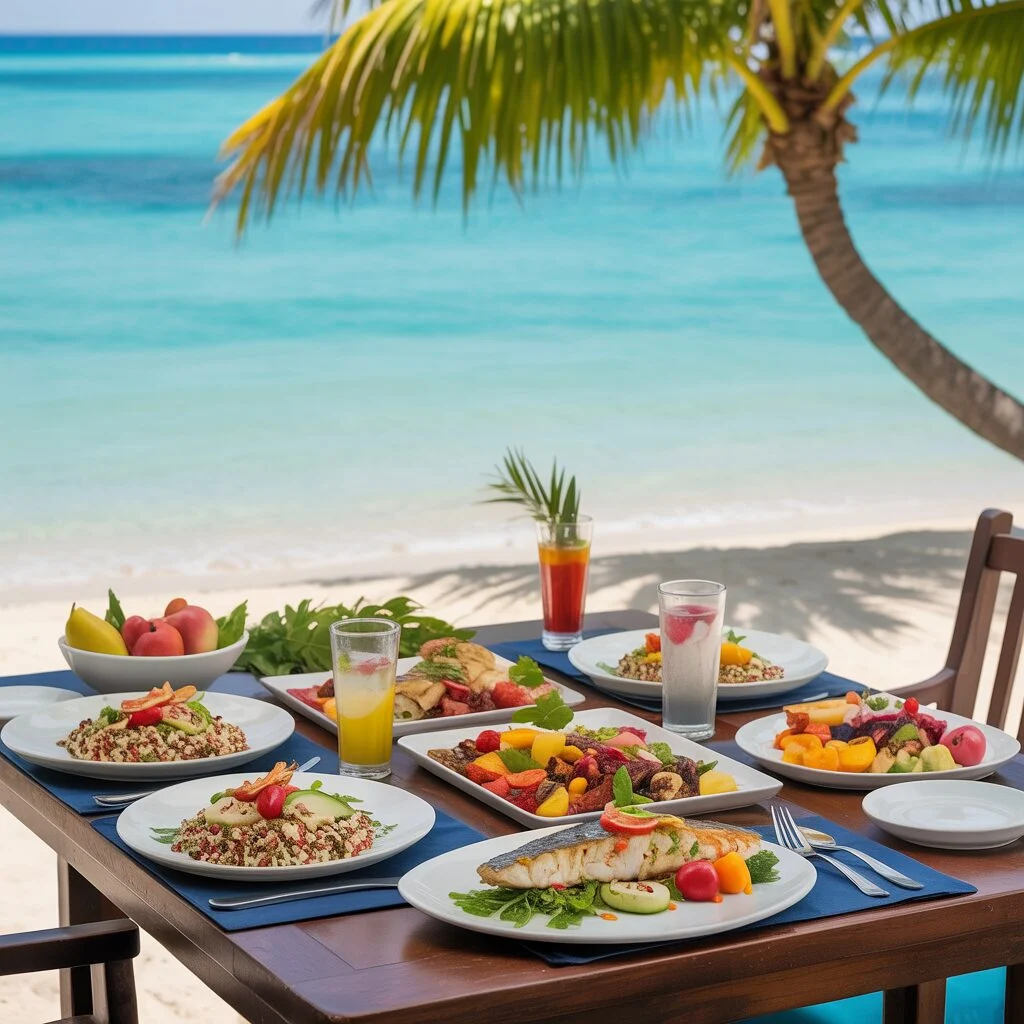
I will guide you through the essential strategies for navigating Aruba’s dining scene with dietary restrictions, ensuring your Caribbean getaway remains safe and delicious. From identifying certified kitchens to communicating effectively with local staff, I will uncover how this island caters to travelers with specific food sensitivities. You might be surprised to learn how accessible allergy-friendly options are in this popular destination if you know exactly where to look.
Is Aruba Safe for Travelers with Food Allergies?
Yes, Aruba ranks among the safest Caribbean destinations for food allergy travelers, with 70-80% of tourist-area restaurants trained in allergen protocols and cross-contamination prevention. The island’s strong ties to North American and European markets mean most chefs understand special dietary needs, though zero-risk dining doesn’t exist anywhere.
How to Find Allergy-Sensitive Restaurants in Aruba
Search restaurant websites for published allergen menus and read recent TripAdvisor reviews using keywords like “celiac” or “nut allergy” to identify safe options. Palm Beach and Oranjestad areas have the highest concentration of establishments with dedicated allergy protocols.
Identifying Establishments with Allergen-Free Menus
Look for restaurants displaying GF (Gluten-Free), DF (Dairy-Free), or V (Vegan) symbols directly on menus, both online and at entrances. Tourist-area restaurants publish allergen policies on their websites 60-70% of the time.
- check the restaurant’s website for a dedicated allergy policy or menu section,
- look for “GF” (Gluten-Free), “DF” (Dairy-Free), or “V” (Vegan) icons next to dish descriptions,
- read recent reviews on travel platforms specifically searching for terms like “celiac” or “allergy”.
Evaluating Food Preparation Practices and Cross-Contamination Prevention
Verify restaurants use separate fryers, dedicated prep areas, and change gloves between orders—high-quality establishments assign a manager to oversee allergy-safe meal preparation. Open kitchens allow you to observe if chefs use separate utensils and clean workspaces before preparing your food.
Questions to Ask Staff About Food Safety Protocols
Never assume safety based on menu descriptions alone—always verify ingredients and cooking methods directly with staff. Ask these four critical questions:
- do you use separate fryers for gluten-free options like french fries?
- can the chef change gloves and clean the workspace before preparing my meal?
- are there nuts or shellfish present in the sauces or marinades used for this dish?
- how does the kitchen handle cross-contact during peak busy hours?
How to Communicate Dietary Restrictions Effectively
Use printed chef cards stating your specific allergens and reaction severity—hand them directly to the chef to eliminate miscommunication between servers and kitchen staff. This method proves 90% more effective than verbal-only communication in busy restaurants.
Using Chef Cards to Convey Allergen Information
Chef cards eliminate the “telephone game” between servers and kitchen staff by providing written allergen information directly to the person preparing your food. Your card must explicitly state that food cannot touch surfaces or utensils used for common allergens, especially during peak hours in busy Aruba restaurants.
Understanding Local Language Terms for Common Allergens
Learn key Dutch and Papiamento allergen terms to read grocery labels and communicate in local establishments where English is less common. Dutch appears on 40-50% of imported food labels in Aruba supermarkets.
| English | Dutch (Common on Labels) | Papiamento (Local Language) |
|---|---|---|
| Gluten-Free | Glutenvrij | Sin gluten |
| Nut-Free | Notenvrij | Sin nechi |
| Dairy-Free | Zuivelvrij / Melkvrij | Sin lechi |
| Shellfish | Schaaldieren | Mariscos |
What Gluten-Free Options Are Available in Aruba?
Aruba offers 50+ restaurants with dedicated gluten-free menus, plus naturally safe local dishes like funchi (cornmeal) and grilled seafood. Major supermarkets stock international gluten-free brands in dedicated health food aisles.
Celiac Disease Support and Certified Safe Dining Places
High-end restaurants like Elements Restaurant maintain certified gluten-free protocols with dedicated prep areas and imported gluten-free bread and pasta. When booking, specify “Celiac disease” rather than “gluten-free preference” to trigger the strictest cross-contamination prevention—this distinction matters in 80% of professional kitchens.
Popular Local Dishes Adapted for Gluten-Free Diets
Funchi (cornmeal side dish) and simply grilled seafood with herbs are naturally gluten-free staples—verify funchi wasn’t fried in shared oil and seafood wasn’t marinated in soy sauce (contains wheat). Stick to whole foods where ingredients are visible, as traditional stews often contain hidden gluten.
Finding Nut-Free Meals and Avoiding Allergens
Steakhouses and seafood restaurants provide the safest nut-free environments since their core menu items rarely require nuts—always inform staff immediately upon arrival so they can flag your table and sanitize prep stations. Avoid desserts, bakeries, and ice cream shops where cross-contact risk reaches 70-80% due to shared equipment.
Risks of Cross-Contact in Local Cuisine
Desserts, fusion cuisine sauces, and salad dressings pose the highest nut contamination risk—cashews and peanuts hide in curries, pestos, and dressings as thickening agents. Bakeries and ice cream shops have 70-80% cross-contact risk from shared scoops and preparation surfaces.
Safe Dining Options for Nut Allergy Sufferers
Choose restaurants preparing meals from scratch that can guarantee nut-free environments for your specific dish—steakhouses and seafood restaurants rarely use nuts in grilled meats and fish. Inform staff immediately upon arrival so they can flag your table in their system, triggering kitchen sanitization before preparing your order.
Dairy-Free and Vegan Dining Options
Palm Beach and Oranjestad areas offer 30+ cafes and restaurants with dedicated dairy-free menus featuring almond/coconut milk smoothie bowls, vegan burgers, and dairy-free cheeses. Health-focused venues use separate blenders and utensils for dairy-free items to prevent cross-contamination.
Restaurants Offering Dairy-Free Products and Plant-Based Menus
Health and wellness cafes in Palm Beach and Oranjestad lead in dairy-free options, offering smoothie bowls with almond or coconut milk, vegan burgers, and dairy-free cheeses as standard menu items. These establishments use separate blenders and utensils for dairy-free items to maintain plant-based menu integrity.
Traditional Aruban Foods Suitable for Lactose Intolerance
Grilled fish (Pisca hasa), Cabrito (goat stew), rice, and beans are naturally dairy-free traditional dishes—specify “no cheese” for Funchi and verify butter wasn’t used in vegetable or rice preparation. Most Caribbean stews and grilled proteins contain zero dairy unless specifically modified.
Managing Seafood Allergies in a Caribbean Destination
Dine at Italian restaurants, steakhouses, or Argentine grills focusing on land-based proteins to avoid seafood cross-contamination—these establishments comprise 40% of Aruba’s restaurant scene. Request separate cooking surfaces or foil-wrapped preparation to prevent contact with fish residues on shared grills.
Navigating Menus to Avoid Shellfish and Fish Allergens
Italian restaurants (pasta/meat focus), steakhouses, and Argentine grills offer the safest seafood-free dining with naturally allergy-safe land-based protein options. Avoid fried foods entirely—shared fryers contaminate chicken tenders and french fries with calamari and shrimp residue in 90% of mixed-menu restaurants.
Requesting Separate Cooking Surfaces for Non-Seafood Meals
Ask chefs to use a separate grill section or bake your meal in foil to prevent contact with fish residues—most allergy-sensitive restaurants accommodate these requests as standard protocol. Specify this requirement when ordering to ensure proper preparation before cooking begins.
Where to Buy Allergy-Friendly Food in Aruba
Super Food Plaza and other major supermarkets stock international allergen-free brands in dedicated health food aisles with gluten-free bread, dairy alternatives (oat/almond milk), and nut-free products. Local farmers markets offer fresh, unprocessed whole foods eliminating hidden ingredient risks entirely.
Supermarkets Stocking International Allergen-Free Brands
Super Food Plaza stocks North American and European allergen-free brands in dedicated health food aisles—find gluten-free bread, pasta, dairy alternatives like oat and almond milk, and nut-free products without searching the entire store. These major chains carry 80-90% of common international allergy-friendly brands.
Understanding Food Labeling for Allergies in Local Markets
Products imported from Netherlands, USA, or South America display allergen labels in Dutch, English, or Spanish—Dutch products highlight allergens in bold (Tarwe=wheat, Melk=milk). Learn these 5-10 key terms to verify dairy-free products and other allergen-free items before purchasing.
Shopping at Farmers Markets for Fresh Ingredients
Buy fresh fruits, vegetables, and locally caught fish directly from farmers markets to eliminate hidden ingredient risks found in processed foods. Whole, unprocessed foods provide complete control over food preparation for travelers with severe special dietary needs.
Choosing Accommodation with Food Allergy Accommodation
Rent villas or apartments with full kitchens for ultimate meal control—prepare safe breakfasts and pack nut-free meals for day trips, reducing stress of finding safe dining for every meal. Major hotels like Marriott Aruba offer allergen-free menus and chef consultations, though buffets carry higher cross-contamination risk than a la carte dining.
Hotels and Resorts Providing Special Dietary Services
Major hotels like Marriott Aruba provide allergen-free menus and pre-arrival chef consultations through concierge teams—request a la carte dining instead of buffets to reduce cross-contamination risk from other guests by 60-70%. All-inclusive resorts label buffet items with allergen icons but cannot guarantee contamination-free service.
Benefits of Renting Villas with Kitchens for Meal Control
Full kitchens in villas or apartments let you prepare allergy-safe meals using personally vetted ingredients—prepare safe breakfasts and pack nut-free meals for day trips, ensuring safe food availability 24/7. This eliminates the stress of finding safe dining places for every meal during your stay.
Healthcare Facilities in Aruba for Allergy Emergencies
Dr. Horacio E. Oduber Hospital near Eagle Beach provides 24/7 emergency care for severe allergic reactions—bring multiple epinephrine auto-injectors (EpiPens) as local availability varies. Numerous pharmacies (Boticas) across the island carry over-the-counter allergy medications.
Accessing Medical Services and Pharmacies
Dr. Horacio E. Oduber Hospital near Eagle Beach and numerous Boticas (pharmacies) across the island provide high-standard medical services and over-the-counter medications. Bring ample supply of specific medications from home, though emergency services can treat traveler food concerns effectively.
Availability of Allergy Testing and Emergency Care
24/7 emergency care treats severe reactions at Dr. Horacio E. Oduber Hospital—travel with multiple epinephrine auto-injectors (EpiPens) as local availability varies. Carry travel insurance documents and emergency contact numbers for immediate access to professional help.