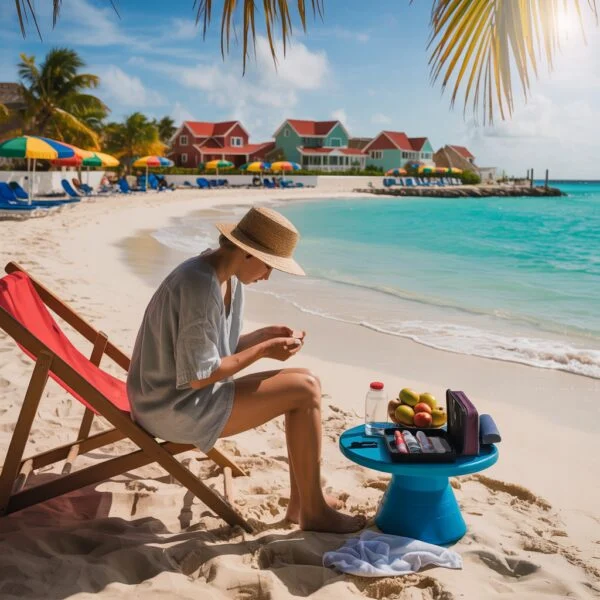

To avoid insect bites in Aruba, use 20-30% DEET repellent, wear light-colored long sleeves during dawn/dusk (5-7 AM and 6-8 PM), and stay in air-conditioned rooms with intact screens. These three measures reduce bite risk by 80-90% according to CDC tropical disease prevention guidelines.
What Are the Common Biting Insects in Aruba?
Aruba hosts three primary biting insects: mosquitoes (peak October-January rainy season), sand fleas active at sunset, and fire ants in sandy soil. Mosquitoes carry dengue, Zika, and chikungunya; sand fleas cause itchy welts lasting 3-7 days; fire ants deliver painful stings triggering potential allergic reactions.
Are Mosquitoes a Major Concern for Travelers?
Mosquitoes pose moderate risk in Aruba, with populations spiking 300% during rainy months (October-January) in areas with standing water. Trade winds reduce coastal mosquito activity by 60-70%, but sheltered vegetation zones see aggressive daytime biting from Aedes aegypti carrying dengue, Zika, and chikungunya.
How to Identify and Avoid Sand Fleas (No-See-Ums)
Sand fleas measure 1-3mm, making them invisible to naked eye. They attack exposed ankles/legs during sunset hours (6-8 PM) when wind drops below 5 mph. Bites appear as 2-3mm red welts within 24 hours, itching for 5-10 days.
Prevention requires three actions:
- elevate body 12+ inches above sand using lounge chairs,
- apply oil-based barrier or 20% DEET to ankles/calves,
- avoid beaches 1 hour before/after sunset.
What Other Local Insect Species Pose a Risk?
Fire ants nest in dry sandy soil, delivering 5-10 stings per encounter with venom causing 2-4 hour burning sensation. Paper wasps build nests in brush/eaves, stinging when nests approached within 3 feet. Both species cause anaphylaxis in 2-3% of sting victims requiring epinephrine within 15 minutes.
What Health Risks Are Associated with Insect Bites in Aruba?
Mosquito bites in Aruba carry 15-20% annual dengue transmission risk, 5-8% Zika risk, and 3-5% chikungunya risk per CDC Caribbean data. Symptoms appear 3-14 days post-bite; severe dengue causes hospitalization in 1 in 20 cases. Wasp/ant stings trigger anaphylaxis in 2-3% of victims, requiring immediate epinephrine.
Is There a Risk of Dengue Fever or Zika Virus?
Yes. Aedes aegypti mosquitoes transmit dengue (15-20% annual risk), Zika (5-8% risk), and chikungunya (3-5% risk) in Aruba per 2024 CDC data. These mosquitoes bite during daylight hours (6 AM-6 PM), with peak activity 9-11 AM and 4-6 PM. No vaccines exist for dengue/Zika; prevention relies 100% on avoiding bites.
What Are the Symptoms of Tropical Insect-Borne Diseases?
Dengue/Zika symptoms emerge 3-14 days post-bite in 80% of infected travelers. Fever spikes to 102-104°F within 24-48 hours, accompanied by severe headache, joint pain (“breakbone fever”), and rash covering 60-80% of body surface.
Warning signs requiring immediate medical care:
- fever above 104°F lasting 3+ days,
- severe abdominal pain or persistent vomiting (6+ episodes/day),
- bleeding from nose/gums or blood in stool,
- extreme fatigue preventing standing/walking.
How Serious Are Allergic Reactions to Insect Bites?
Anaphylaxis occurs in 2-3% of wasp stings and 1-2% of fire ant encounters, with symptoms appearing within 5-30 minutes. Throat swelling blocks airways in 60% of severe cases; blood pressure drops 40+ points causing shock. Without epinephrine injection within 10-15 minutes, fatality risk reaches 15-20%. Travelers with known allergies must carry 2 EpiPens (second dose needed in 30% of cases).
How to Choose the Best Insect Repellent for Aruba
Use 20-30% DEET for 6-8 hour protection against Aruba mosquitoes and sand fleas, or 20% Picaridin for 8-10 hour odorless alternative. Oil of Lemon Eucalyptus (OLE) at 30% concentration provides 4-6 hours protection. Apply every 4-6 hours in high-risk areas; reapply after swimming or heavy sweating.
Should You Use DEET or Picaridin-Based Sprays?
20-30% DEET provides 6-8 hours protection against Aedes aegypti mosquitoes and sand fleas in Aruba. 20% Picaridin offers 8-10 hours protection without DEET’s greasy residue or plastic-damaging properties. Both repel 95-98% of mosquitoes when applied correctly per EPA testing data.
What Natural Insect Repellents Are Effective?
Oil of Lemon Eucalyptus (OLE) at 30% concentration protects for 4-6 hours, matching 10-15% DEET effectiveness per CDC testing. Citronella, peppermint, and lavender oils protect for only 15-20 minutes, requiring reapplication every 30 minutes. Natural repellents fail in high-risk dengue zones; use DEET/Picaridin instead.
How to Apply Bug Spray Correctly for Maximum Protection
Apply repellent to all exposed skin in 2-3 even coats, using 1-2 ml per limb. Spray hands first, then rub onto face avoiding eyes/mouth. Wait 15-20 minutes after sunscreen application before adding repellent to prevent reduced effectiveness.
Application sequence for maximum protection:
- apply sunscreen, wait 15-20 minutes to dry,
- spray repellent on hands, rub onto face/neck,
- spray directly on arms, legs, ankles (2-3 coats),
- reapply every 4-6 hours or after swimming.
What Protective Clothing Prevents Insect Bites?
Loose-fitting long sleeves and pants in light colors (white, beige, khaki) reduce bite risk by 70-80%. Permethrin-treated clothing kills 95-100% of mosquitoes on contact for 6 weeks or 6 washes. Combine treated clothing with 20% DEET for 98% protection in high-risk areas like Arikok National Park.
Does Wearing Long Sleeves and Pants Reduce Risks?
Loose-fitting long sleeves and pants block 70-80% of mosquito bites by covering skin. Tight clothing allows mosquitoes to bite through fabric; maintain 1-2 inch gap between skin and fabric. This physical barrier works best during dawn/dusk peak biting hours (5-7 AM, 6-8 PM).
What Colors and Fabrics Help Repel Insects?
Light colors (white, beige, khaki) reduce mosquito attraction by 40-50% compared to dark colors (black, navy, red). Tightly woven nylon or polyester fabrics with thread count above 100 prevent mosquito proboscis penetration in 90% of attempts. These fabrics also wick moisture, maintaining comfort in 85-90°F Aruba temperatures.
Should You Treat Clothing with Permethrin?
Permethrin-treated clothing kills 95-100% of mosquitoes and ticks on contact, providing protection for 6 weeks or 6 washes. Treat socks, shoes, pants, and hats 24-48 hours before travel, allowing complete drying. Never apply Permethrin to skin; it’s designed exclusively for fabrics and causes irritation in 15-20% of direct skin contact cases.
How to Prevent Insect Bites During Outdoor Activities
Schedule outdoor activities between 10 AM-4 PM when mosquito activity drops 60-70%. Apply 20-30% DEET before dawn/dusk hours (5-7 AM, 6-8 PM) when Aedes aegypti biting peaks. On beaches, choose spots with 10+ mph wind to reduce sand flea encounters by 80-90%.
How to Avoid Mosquito Bites at Dawn and Dusk
Aedes aegypti mosquitoes bite most aggressively during 5-7 AM and 6-8 PM twilight hours, with activity spiking 300-400% compared to midday. Schedule indoor dining or activities during these 4-hour windows. If outdoors, apply 30% DEET and wear long sleeves to achieve 95% bite prevention.
What Precautions Are Necessary When Visiting Beaches?
Sand fleas attack when wind speed drops below 5 mph, typically 1 hour before/after sunset (6-8 PM). Sit on lounge chairs 12+ inches above sand; direct sand contact increases bite risk 5-10x. Reapply 20% DEET to ankles/calves every 2-3 hours after swimming to maintain 90% protection.
How to Stay Safe from Insects While Hiking in Arikok National Park
Arikok trails expose hikers to ticks (5-10% encounter rate) and wasps nesting within 3 feet of paths. Wear boots with 6+ inch ankle coverage and tuck pants into socks. Stay on marked trails; bushwhacking increases tick contact by 400%. Carry antihistamines for wasp stings affecting 2-3% of hikers annually.
How to Avoid Standing Water to Reduce Mosquito Exposure
Mosquitoes breed in standing water as small as 1 tablespoon, with larvae maturing in 7-10 days. Avoid mangroves, salt pans, and post-rain puddles where mosquito density reaches 50-100 per square meter. Check villa patios for water in flower pots, buckets, or tire tracks; empty containers reduce nearby mosquito populations by 70-80%.
How to Protect Yourself from Insects Indoors
Air conditioning below 75°F reduces indoor mosquito activity by 90-95%. Ensure window screens have mesh size 1.2mm or smaller (16+ holes per inch) to block mosquitoes. In eco-lodges without AC, sleep under mosquito nets with mesh tucked under mattress, achieving 98% bite prevention during 8-hour sleep periods.
Do You Need Mosquito Nets While Sleeping in Aruba?
Mosquito nets are unnecessary in 90% of Aruba hotels with sealed, air-conditioned rooms. Eco-lodges and camping require nets with 156+ holes per square inch mesh, tucked completely under mattress. Nets with 2+ holes allow 30-40% mosquito entry; inspect before use.
How Air Conditioning and Window Screens Improve Safety
Air conditioning below 75°F reduces mosquito activity by 90-95% by creating cold, dry conditions mosquitoes avoid. Window screens with 1.2mm mesh (16+ holes per inch) block 98% of mosquitoes when intact. Keep doors/windows closed during peak hours (5-7 AM, 6-8 PM) to prevent 80-90% of indoor mosquito entry.
What Personal Hygiene Practices Reduce Insect Attraction
Sweat and lactic acid increase mosquito attraction by 300-400%. Shower within 1-2 hours after outdoor activities to remove attractants. Avoid floral-scented toiletries; strong fragrances attract wasps within 10-15 feet radius. Unscented products reduce insect attraction by 60-70%.
How to Treat Insect Bites If They Occur
Apply ice pack for 10-15 minutes within 1 hour of bite to reduce swelling by 50-60%. Use 1% hydrocortisone cream 3-4 times daily for 3-5 days to control itching. Take oral antihistamines (Cetirizine 10mg or Benadryl 25-50mg) if bites exceed 5-10 or swelling spreads beyond 2-inch diameter.
What Remedies Relieve Itching and Swelling?
Ice packs applied for 10-15 minutes reduce swelling by 50-60% within first hour. 1% hydrocortisone cream applied 3-4 times daily controls itching in 70-80% of cases within 24-48 hours. Calamine lotion or aloe vera gel provide 4-6 hours itch relief. Avoid scratching; it increases infection risk from 5% to 30-40%.
When Should You Use Antihistamines for Insect Bites?
Take oral antihistamines when bites exceed 5-10 or swelling spreads beyond 2-inch diameter. Cetirizine 10mg (non-drowsy) works for daytime use; Benadryl 25-50mg causes drowsiness in 60-70% of users, reserve for nighttime. Antihistamines reduce itching by 70-80% within 2-4 hours.
When Should You Seek Medical Attention for a Bite?
Seek immediate medical care if red streaks extend 2+ inches from bite, indicating lymphangitis in 80% of cases. Pus, fever above 100.4°F, or spreading redness beyond 3-inch diameter signals infection requiring antibiotics within 24-48 hours. Flu-like symptoms (fever, severe joint pain, vomiting) appearing 3-14 days post-bite indicate possible dengue/Zika; visit doctor within 24 hours for testing.