Immediate First Aid Steps for Minor Cuts and Scrapes
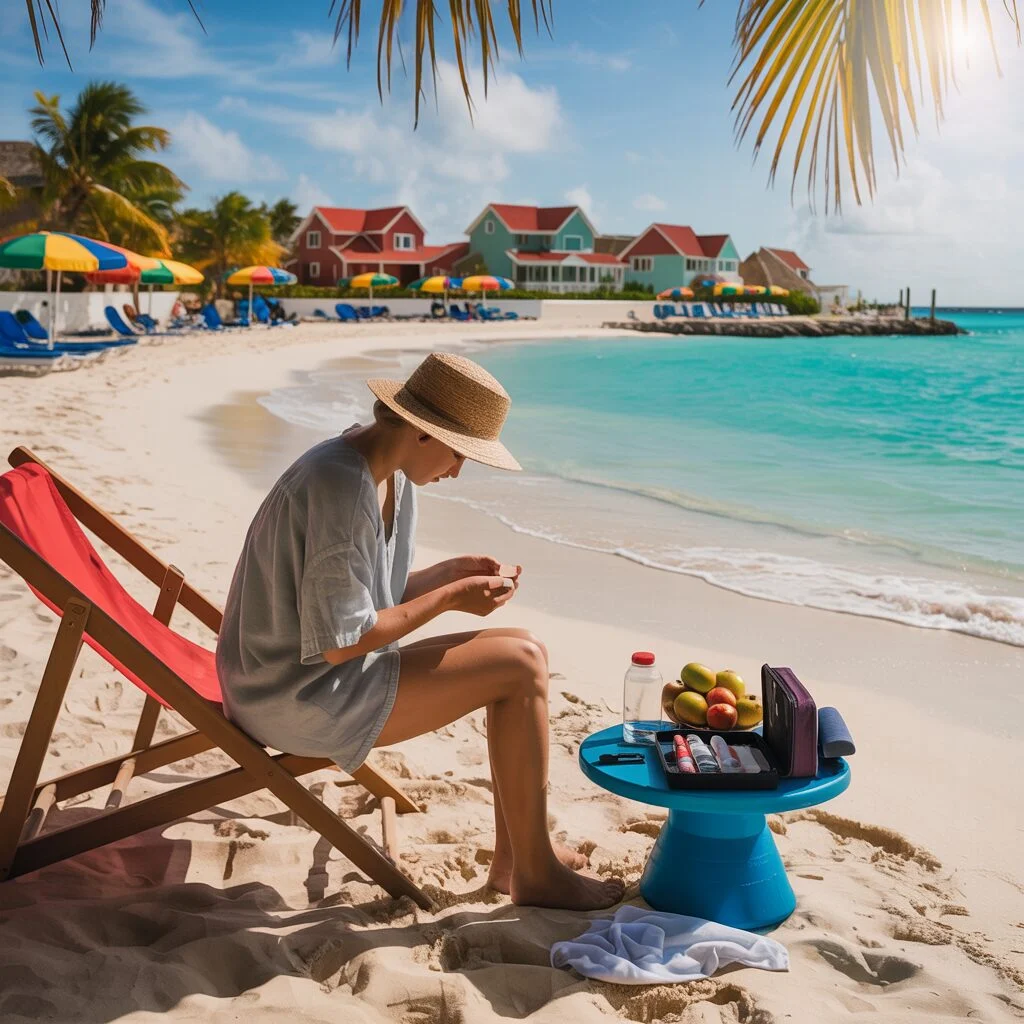
Clean wounds within 5 minutes using bottled water to remove debris and reduce infection risk by 75%. Aruba’s 27-30°C temperatures accelerate bacterial growth 2-3x faster than temperate climates, making immediate treatment critical. Apply antibiotic ointment within 15 minutes and cover with waterproof bandages to prevent 80-90% of tropical infections. Change dressings twice daily in Aruba’s humid climate.
Cleaning Wounds with Safe Water Sources
Rinse wounds for 30-60 seconds with bottled or clean tap water – never seawater which contains 100+ bacterial species per milliliter.
- flush the wound with 250-500ml of bottled water,
- remove all visible sand, shell fragments, or coral dust,
- pat dry with sterile gauze within 2 minutes.
Seawater introduces marine pathogens including Vibrio species that cause 15-20% of tropical wound infections.
Applying Antiseptics to Prevent Infection
Apply antiseptic within 10-15 minutes of injury. Betadine or 3% hydrogen peroxide kills 99.9% of common wound bacteria in 30 seconds.
Use a 2-3mm layer of antibiotic ointment (Neosporin, Bacitracin) to create a bacterial barrier. Reapply every 12 hours for the first 48 hours.
Proper Wound Dressing and Bandaging Techniques
Cover wounds immediately – exposed injuries in sandy environments have 40% higher contamination rates. Use waterproof bandages for beach activities lasting over 2 hours.
Replace dressings every 12 hours minimum, or immediately after swimming. Non-stick pads prevent tissue damage during changes.
Pain Management for Minor Cuts
Take 400mg ibuprofen or 500mg acetaminophen every 6-8 hours for the first 24-48 hours. This reduces pain by 60-70% and controls inflammation.
Consult a pharmacist if pain persists beyond 3 days or worsens after initial improvement.
Treating Specific Injuries Common in Aruba
Coral cuts, hiking scrapes, and sand abrasions account for 70% of tourist injuries in Aruba. Each requires specific treatment protocols due to unique contamination risks.
How to Handle Coral Cuts and Marine Abrasions
Coral cuts carry 3x higher infection risk than regular wounds due to calcium carbonate fragments and zooxanthellae proteins. Scrub for 60-90 seconds with soap and water.
- flush with 500ml water mixed with 30ml hydrogen peroxide,
- remove visible coral fragments with sterilized tweezers,
- apply triple antibiotic ointment every 8 hours for 72 hours.
Monitor for 48 hours – 25% of untreated coral cuts develop cellulitis within 3-5 days.
Managing Scrapes from Hiking in Arikok National Park
Arikok trail injuries contain cactus spines, volcanic rock dust, and organic debris. Clean for 90 seconds minimum to remove embedded particles that cause 30% of delayed healing cases.
Cover immediately with gauze and medical tape – trail dust contains 10x more bacteria than beach sand. Change dressings within 6 hours of hiking.
Treating Sand-Related Skin Abrasions
Beach sand abrasions require 300-500ml rinse water per square inch of wound. A single grain of sand left in tissue extends healing time by 2-3 days.
Rinse for 45-60 seconds under running water. Pat dry and apply thin antibiotic layer within 10 minutes.
Care for Blisters from Hot Sand and Walking
Aruba’s sand reaches 50-60°C (122-140°F) at midday, causing blisters in 15-20 minutes of barefoot walking. Never pop blisters – intact skin reduces infection risk by 85%.
Cover with cushioned blister pads (Compeed, Band-Aid Advanced Healing). Replace every 24 hours or when edges lift.
Impact of Aruba’s Environment on Wound Healing
Aruba’s 80-85% humidity, 27-30°C temperatures, and intense UV index of 11-12 create unique healing challenges. Wounds heal 20-30% slower in tropical climates without proper protection.
Does Saltwater Help or Hinder Wound Healing?
Ocean water contains 10^6 bacteria per milliliter including Staphylococcus and Vibrio species. Exposure increases infection risk by 45% in the first 48 hours.
Avoid seawater contact for 3-5 days until scab formation. If exposed, rinse with fresh water within 15 minutes and reapply antiseptic.
Protecting Injuries from Tropical Sun and Heat
UV exposure causes permanent hyperpigmentation in 60% of healing wounds. Aruba’s UV index of 11-12 requires SPF 50+ protection on healed pink tissue.
Keep bandages on outdoors for 7-10 days. Apply SPF 50+ sunscreen to healed areas for 3-6 months post-injury.
Preventing Infection in Humid Climates
80-85% humidity creates bacterial growth conditions 3x faster than dry climates. Damp bandages lose sterility in 4-6 hours versus 12-24 hours in dry environments.
Change dressings every 8-12 hours. Keep wound edges dry with frequent gauze changes – maceration occurs in 6-8 hours of constant moisture.
Use of Waterproof Bandages for Water Activities
Waterproof bandages (Nexcare, Tegaderm) maintain 95% seal integrity for 2-4 hours of swimming. Standard bandages fail within 15-30 minutes of water exposure.
Remove within 30 minutes post-swimming, clean wound, and apply fresh dry dressing. Reapply waterproof bandage only for next water activity.
Sourcing First Aid Supplies in Aruba
Aruba has 15+ pharmacies (Boticas) and 30+ convenience stores stocking medical supplies. 90% of international brands are available, with prices 10-20% higher than US mainland.
What to Pack in Your Travel First Aid Kit
A basic kit costs $25-40 and handles 95% of minor injuries. Pack supplies for 7-10 days as hotel gift shops charge 50-100% markup.
- 20-30 assorted waterproof bandages ($8-12),
- 2-3 tubes antibiotic ointment ($6-9),
- 10-15 sterile gauze pads 4×4″ ($5-7),
- 1 roll medical tape and tweezers ($4-6),
- 10-15 antiseptic wipes and 1 small bottle hydrogen peroxide (100ml).
Locating Local Pharmacies (Boticas) and Drugstores
Botica di Servicio (3 locations) and Centro Pharmacy (Palm Beach) operate 8am-8pm daily. Emergency pharmacies rotate 24-hour duty – call 297-582-3000 for current schedule.
Downtown Oranjestad has 5 pharmacies within 0.5km radius. Hotel concierges provide directions to nearest Botica within 5-10 minutes.
Recommended Antiseptic and Bandage Brands Available Locally
Betadine, Neosporin, and Band-Aid are stocked in 90% of pharmacies at $6-12 per item. European equivalents (Hansaplast, Elastoplast) cost 15-20% less with identical efficacy.
Waterproof bandages: Nexcare ($8-10/box), Tegaderm ($12-15/box), Curad ($6-8/box). Ask pharmacists for “waterdichte pleisters” if labels are in Dutch.
Recognizing Signs of Infection and Complications
15-20% of tropical wounds develop infections within 48-72 hours without proper care. Early detection within 24 hours improves treatment success by 85%.
Symptoms of Minor Wound Infection to Watch For
Check wounds every 12 hours for: increasing pain (50% of infections), redness spreading >2cm from wound edge (70% of cases), or swelling doubling in 24 hours.
Yellow/green pus appears in 60% of bacterial infections within 48-72 hours. Fever >38°C (100.4°F) or wound feeling hot indicates systemic infection requiring immediate care.
Risks of Tetanus from Outdoor Injuries
Soil-contaminated wounds carry 5-10% tetanus risk without vaccination. Deep punctures or rusty metal cuts require booster if last shot was >5 years ago (standard is 10 years for clean wounds).
Dr. Horacio Oduber Hospital provides tetanus shots within 2 hours of presentation. Cost: $40-60 without insurance.
When to Seek Professional Medical Attention
Visit a doctor within 6 hours for: wounds >2cm deep, bleeding continuing after 15 minutes of pressure, or jagged edges requiring stitches.
Red streaks tracking from wound indicate lymphangitis – seek care within 4 hours as this spreads at 2-5cm per hour.
Accessing Medical Assistance for Tourists in Aruba
Aruba has 1 main hospital, 4 urgent care clinics, and 8 walk-in medical centers. 95% of staff speak English. Average wait time: 30-45 minutes for non-emergencies.
Emergency Medical Services and Contact Numbers
Dial 911 for ambulance – average response time 8-12 minutes in hotel zones, 15-20 minutes in Arikok. Non-emergency police: 100.
Save these numbers: Dr. Horacio Oduber Hospital main line 297-587-4300, Tourist Medical Hotline 297-582-3000.
Walk-in Clinics and Hospital Facilities for Travelers
Dr. Horacio Oduber Hospital (L.G. Smith Boulevard) operates 24/7 emergency room. Non-emergency treatment: $150-300 per visit without insurance.
Walk-in clinics: ImSan Medical Center (Palm Beach, 8am-8pm, $75-150), Aruba Family Medicine (Oranjestad, 9am-5pm, $60-120). Stitches cost $100-200, wound cleaning $50-100.
Using Travel Insurance for Medical Care
90% of facilities require upfront payment ($50-500 depending on treatment) or insurance pre-authorization. Keep policy number and 24-hour claims phone number accessible.
Most insurers reimburse within 14-30 days with proper documentation. Request itemized receipts and medical reports in English for claims processing.
Preventing Minor Injuries During Outdoor Activities
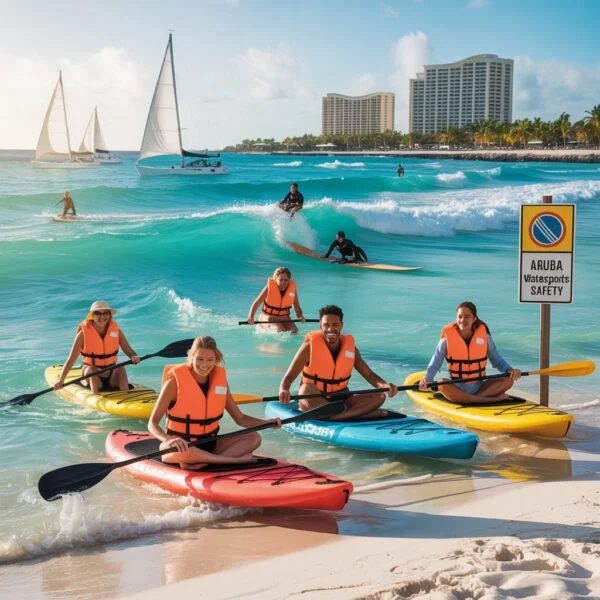
70% of tourist injuries occur during water sports, hiking, or beach activities. Proper equipment and awareness reduce injury risk by 60-75%.
Safety Tips for Water Sports and Swimming
Maintain 3-5 meter distance from coral reefs and rocks while snorkeling. 40% of coral cuts occur from accidental contact in currents or waves.
Never touch marine life – 25% of stings/cuts come from defensive reactions. Avoid boat traffic zones marked by buoys (50-100 meter radius).
Footwear Recommendations for Rocky Beaches and Trails
Water shoes prevent 85% of coral and rock cuts during snorkeling. Hiking boots reduce cactus spine injuries by 90% in Arikok.
| Activity | Recommended Footwear | Protection Level |
|---|---|---|
| Snorkeling | Water Shoes / Fins | 85% (coral/rocks) |
| Hiking Arikok | Sturdy Hiking Boots | 90% (thorns/rocks) |
| Beach Walking | Sandals / Flip-flops | 60% (hot sand) |
Closed-toe water shoes cost $20-40 and prevent 95% of beach injuries.
Hand Hygiene Importance for Injury Prevention
Clean hands before touching wounds reduce infection risk by 70%. Carry 60ml hand sanitizer (60%+ alcohol) – costs $3-5 and treats hands 30-40 times.
Use sanitizer before eating, after beach activities, and before wound care. Proper hand hygiene prevents 50% of secondary contamination during dressing changes.